
Peakbusting Retrospective: Building Power and Possibility
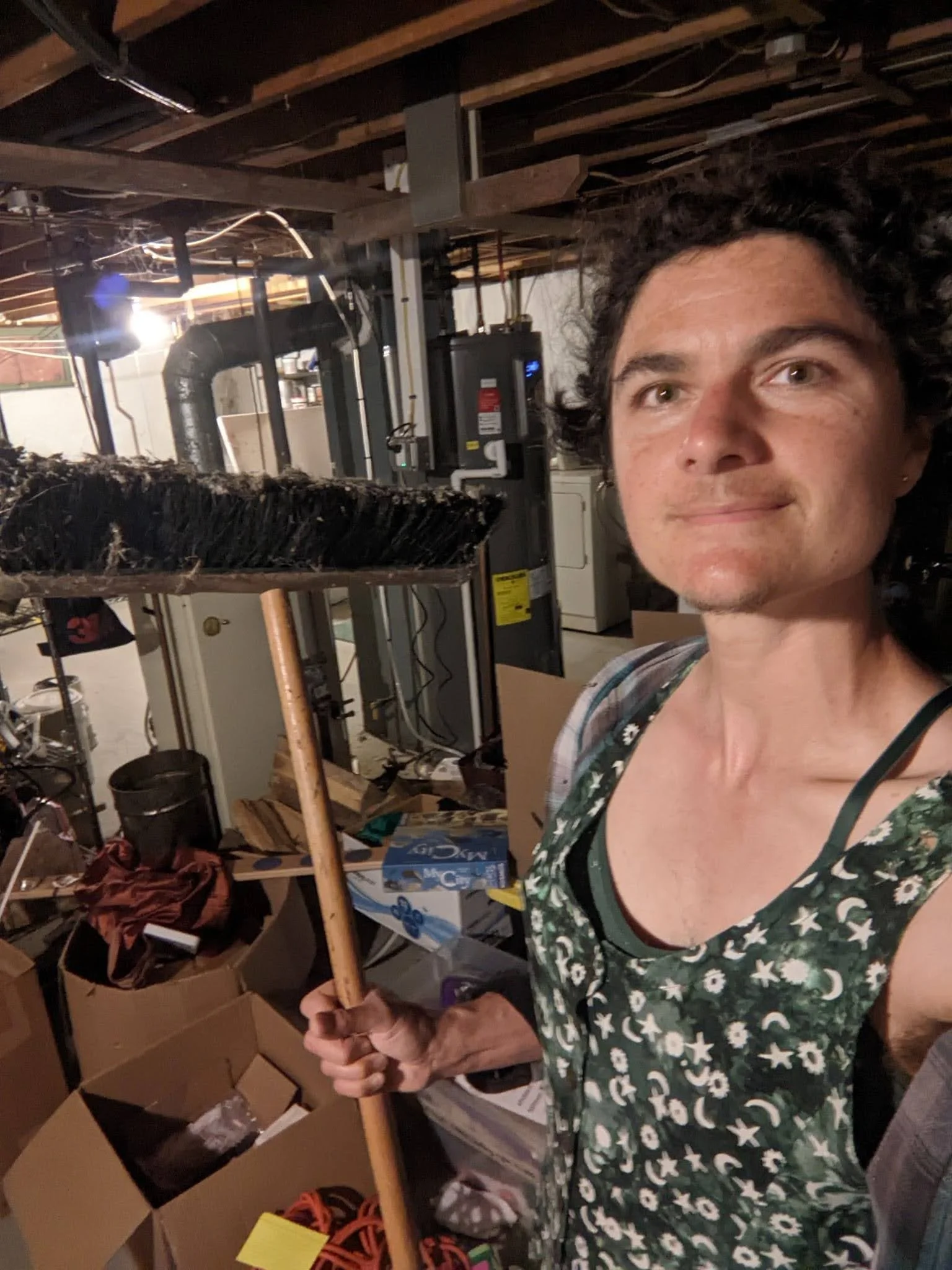
Outside temp: 90˚F. Cleaning the basement: 64˚F, no air conditioning required!
On a sweltering Wednesday evening at the beginning of July, instead of turning on the air conditioner, I went to clean the basement. On the main floor of my house, the temperature was 88 degrees; belowground, it was a pleasant 64. Two hours later, not only was the basement tidied and swept, but I got to submit my report of successful peakbusting!
This summer, 350VT more than doubled the number of people peakbusting in New England. Peakbusting, also called shaving the peak, refers to collective conservation of energy during a few hours of peak electricity usage regionally, when electric power is most expensive and dirty.
Our allies at No Coal No Gas launched the peakbusting initiative as part of their goal to shut down every peaker plant in New England. Peaker plants receive millions of dollars in subsidies to power up for just a few peak days a year—and when they do run, they are one of our most inefficient and high-emissions sources of electricity. Reducing peak energy usage helps eliminate the need for these plants and reduce electric rates for everyone.
350VT reached 134 peakbusting signups in Vermont this summer, and 85 Vermonters submitted a total of 199 peakbusting reports! Together we conserved an estimated 1186 kilowatt hours of electricity, 181 of those on July 2, which NCNG estimates was the highest peak this year.
These numbers in themselves may not represent a significant impact on the grid, but they do demonstrate a significant impact on public awareness and community movement building around energy usage. Just as importantly, they show what’s possible—if we can get this many people involved in one summer, imagine what could happen if Green Mountain Power sent out peakbusting alerts to its 275,000 customers, or if our regional power regulator, ISO-NE, alerted all 15 million people in New England!
Where We Go from Here
350VT is building on this work in several ways:
Writing Down the Peak: 350VT’s Rutland node has launched a letter-writing campaign calling on Green Mountain Power to step up and alert its customers about peak usage times.
Winter peakbusting: Electric use also reaches notable peaks on the coldest winter mornings, and these peaks will only grow as more people electrify their heating. If you aren’t already getting peak alerts from No Coal No Gas, sign up here!
Resisting AI data centers: Data centers do the opposite of what we are trying to do: They increase the drain on the electrical grid, upping our dependence on peaker plants, increasing emissions and raising costs for everyday ratepayers—all without benefits to Vermonters, just profits to tech billionaires. 350VTers are working to prevent data centers in their communities, while No Coal No Gas is standing up against a proposed data center at the recently closed coal plant in Bow, NH, as well as nine proposed facilities in CT that would draw on existing peaker plants for power. If you are interested in getting involved in 350VT’s data center resistance work, sign up here!
Solidarity to Shut Down ICE: The federal government is open about its use of AI in immigration enforcement, awarding millions of dollars to tech companies to develop surveillance software. 350VT supported the Shut Down ICE week of action to say no to using our money and our electricity for surveillance and government control rather than people’s actual well-being. We will continue to show up to resist this threat to our communities. (More info about ICE and data centers.)
Peakbusting at the baseball game!
The Big Picture
In the invasion of proposed data centers to feed the AI machine, and in the deployment of AI to police and control Black and brown people (as well as anyone else who protests), we once again see a system designed to monopolize resources to enrich and empower the already rich and powerful, leaving our communities to struggle with rising costs and scarcity. But the system only works as long as our society participates in it. When we work together as communities to decide how and when to use our energy for the benefit of all, we show that it’s possible to chart a different course.